
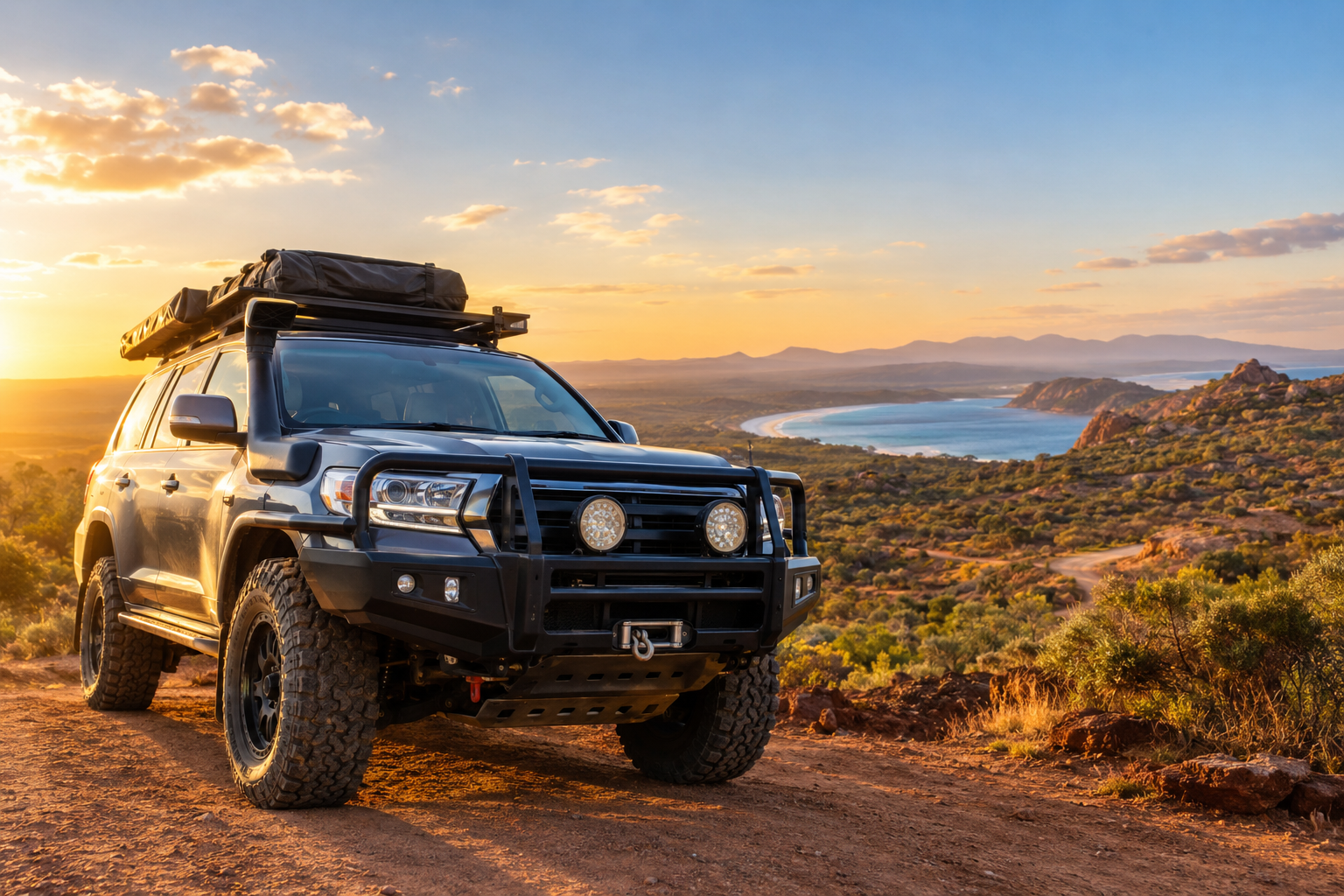
Australia is made for long-distance driving. From coastal highways and dusty outback tracks to remote camping destinations, a well-prepared 4WD can turn an ordinary road trip into an unforgettable adventure. However, travelling long distances puts demands on your vehicle that everyday city driving simply does not.
Before heading into remote areas, it is worth looking beyond fuel, tyres and recovery equipment. Your suspension, air intake, exhaust system and overall vehicle setup can all influence how confidently your 4WD handles different conditions.
A proper preparation plan can help improve reliability, comfort and control while reducing the chances of an avoidable mechanical problem far from home.
Start With a Full Vehicle Inspection
The first step in preparing for a long trip is understanding the condition of your vehicle.
A 4WD that feels perfectly normal around town may reveal problems after hundreds or thousands of kilometres. Check the brakes, steering components, wheel bearings, belts, hoses, fluids and battery before departure.
Pay particular attention to components that will experience additional stress from extra passengers, camping equipment, recovery gear and luggage.
A professional inspection can identify worn components before they become major problems on the road.
Consider the Weight You Are Carrying
Touring equipment can add considerable weight to a 4WD.
Roof racks, awnings, drawers, fridges, recovery equipment, spare parts, water tanks and camping gear can quickly increase the vehicle’s overall load. If you regularly carry this equipment, the factory suspension may not be ideally suited to the additional weight.
This is where a correctly matched suspension setup can make a significant difference.
The goal should not simply be to make the vehicle sit higher. The suspension should be selected according to the vehicle’s actual weight, towing requirements, passengers and intended use.
A properly designed setup can help maintain ride height, improve handling and provide better control when travelling over uneven roads.
Don’t Overlook Suspension Performance
Suspension is one of the most important parts of a touring 4WD.
Long corrugated roads, potholes, rocky tracks and uneven surfaces can place enormous demands on springs and shock absorbers. When suspension components are worn or incorrectly matched to the vehicle, the result can be excessive bouncing, poor stability and increased driver fatigue.
For touring vehicles carrying permanent equipment, a suitable suspension upgrade may provide better load support and more controlled handling.
Platinum Suspension provides suspension solutions including heavy-duty, long-travel and custom setups for vehicles such as the Nissan Navara D23 NP300.
Protect Your Engine From Dust
Australian roads can expose your engine to significant amounts of dust, particularly when travelling on unsealed roads or following other vehicles.
A quality snorkel can help relocate the engine’s air intake higher on the vehicle, where the incoming air can be cleaner than air closer to the road surface. This can be particularly useful for vehicles regularly travelling through dusty environments.
However, a snorkel should be considered as part of a complete intake system rather than a standalone modification.
The condition and design of the airbox, filter and associated intake components also matter. Platinum Suspension offers snorkels and custom airbox solutions designed for various 4WD applications.
Think About Exhaust Flow
A long-distance touring vehicle needs dependable performance, particularly when carrying additional weight or towing.
The exhaust system is an important part of the vehicle’s overall airflow system. A well-designed exhaust can complement other engine modifications while providing durable performance in demanding conditions.
For certain 4WD models, DPF-back exhaust systems can be considered as part of a broader performance setup.
Platinum Suspension supplies stainless-steel exhaust solutions and other fabricated components for selected 4WD vehicles, with products designed around Australian driving conditions.
Match Your Setup to Your Type of Travel
Not every 4WD needs the same modifications.
A vehicle used primarily for weekend camping may require a different setup from one travelling across remote outback tracks every month.
Consider how you actually use your vehicle:
Weekend Touring
Focus on comfort, reliability and practical storage without adding unnecessary weight.
Long-Distance Touring
Pay greater attention to suspension load capacity, cooling, tyres, engine protection and spare parts.
Towing
A towing-focused setup should account for the additional weight placed on the vehicle, particularly around the rear suspension.
Serious Off-Road Driving
Vehicles regularly tackling difficult tracks may benefit from additional suspension travel, stronger components and carefully selected protection and recovery equipment.
The best modification is always the one that solves a real problem for your particular driving conditions.
Check Your Tyres and Wheel Alignment
Suspension upgrades and tyre changes should work together.
Before leaving on a major trip, inspect tyre condition, tread depth, pressures and alignment. Uneven tyre wear can sometimes indicate suspension or alignment problems that should be addressed before departure.
Remember that tyre pressures may need to change depending on whether you are driving on sealed roads, gravel, sand or rocky terrain. Always follow appropriate manufacturer and tyre-industry guidance for your specific setup.
Pack for Reliability, Not Just Convenience
It is easy to concentrate on camping accessories while forgetting basic mechanical preparation.
A sensible touring kit may include essential tools, recovery equipment, spare fuses, appropriate spare parts, tyre repair equipment and supplies suited to the journey.
If you are travelling into a remote region, consider how far you will be from professional assistance and prepare accordingly.
The objective is not to carry everything imaginable. It is to have the equipment necessary to deal with the realistic problems your journey could present.
Inspect Your Vehicle During the Trip
Vehicle preparation does not end when you leave home.
During a long trip, take a few minutes each day to look underneath the vehicle and check for anything unusual. Look for loose components, fluid leaks, damaged hoses, tyre issues or changes in suspension behaviour.
After travelling over particularly rough terrain, it is sensible to inspect recovery points, suspension components and other areas that may have experienced heavy impacts.
Early detection can prevent a minor issue from becoming a major breakdown.
Build Your 4WD Around Your Real Needs
One of the biggest mistakes owners make is modifying a vehicle based purely on appearance or what works for somebody else’s 4WD.
A touring setup should reflect your actual requirements.
Think about how much weight you carry, whether you tow, how frequently you leave sealed roads, the distances you travel and the environments you expect to encounter.
From suspension and snorkels to exhaust systems and custom fabrication, each upgrade should have a clear purpose.
Platinum Suspension works with 4WD owners from its Gold Coast workshop, supplying and installing suspension and other performance upgrades for selected vehicles. The business also focuses on Australian-made fabrication and components suited to Australian conditions.
Final Thoughts
Preparing a 4WD for long-distance travel is about much more than adding accessories. A reliable touring vehicle needs a balanced setup that can handle its weight, driving conditions and intended use.
Before your next Australian adventure, inspect the vehicle thoroughly, review your suspension, consider engine protection, check your tyres and make sure every modification serves a practical purpose.
With the right preparation, your 4WD can be ready for everything from weekend escapes to serious long-distance touring.
If you’re planning a suspension, snorkel, exhaust or other 4WD upgrade, Platinum Suspension can help you choose a setup designed around how you actually use your vehicle.