
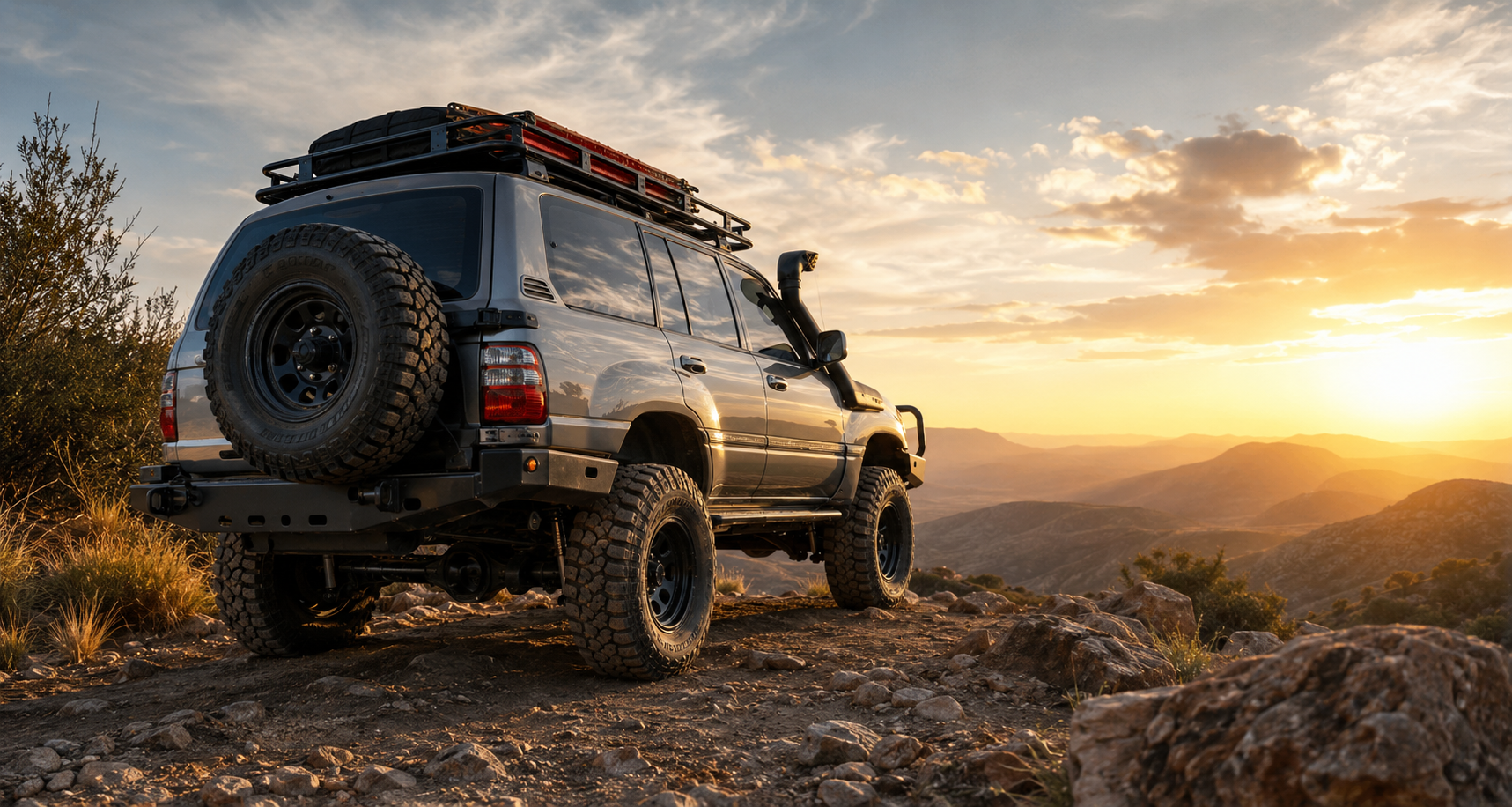
A 4WD can leave the showroom feeling balanced, comfortable and capable, but that balance can change dramatically once you start adding accessories, camping equipment, recovery gear, passengers and touring essentials.
A bull bar might be the first modification. Then comes a winch, roof rack, canopy, drawers, fridge, spare tyre, recovery equipment, water, fuel and camping gear. Individually, these additions may not seem significant. Together, however, they can add a substantial amount of weight to the vehicle.
That extra weight changes how your 4WD behaves.
Steering response, braking, ride comfort, body movement, ground clearance and suspension performance can all be affected. This is why choosing the correct 4WD suspension setup should be based on how your vehicle is actually used, rather than simply choosing a lift height or the strongest components available.
For Australian drivers who use their vehicles for touring, towing, work and off-road adventures, understanding the relationship between weight and suspension is essential.
Why Vehicle Weight Matters So Much
A suspension system is designed to support the vehicle while allowing the wheels to move independently over different surfaces. When the vehicle becomes significantly heavier, the suspension has to work harder to control that additional mass.
A standard suspension system may perform perfectly well when a vehicle is close to its original configuration. Once permanent accessories and touring equipment are installed, however, the original spring rates and damping characteristics may no longer be ideal.
This can result in:
- Rear-end sag
- Increased body roll
- Reduced ground clearance
- Poorer steering response
- Increased suspension bottoming
- A harsher or less controlled ride
- Greater braking demands
- Reduced comfort on corrugated roads
- Increased stress on suspension components
The solution isn’t necessarily the biggest lift or stiffest spring. The better approach is to match the suspension to the vehicle’s actual weight and intended use.
Permanent Weight vs Temporary Weight
One of the most important considerations when planning a suspension upgrade is understanding the difference between permanent and temporary loads.
Permanent weight includes equipment that remains on the vehicle most of the time, such as:
- Bull bars
- Winches
- Canopies
- Steel or alloy storage systems
- Dual-battery equipment
- Long-range fuel tanks
- Roof racks
- Constantly fitted accessories
Temporary weight includes items that may only be carried during trips, including:
- Camping equipment
- Food
- Water
- Recovery equipment
- Luggage
- Additional fuel
- Passengers
This distinction matters because a vehicle that is permanently carrying several hundred kilograms may require a different suspension configuration from a vehicle that is only heavily loaded for occasional weekend trips.
A good suspension setup should account for how the vehicle spends most of its time, not just its heaviest possible load.
What Happens When the Rear Suspension Is Overloaded?
Rear suspension sag is one of the most obvious signs that a vehicle is carrying more weight than its suspension was designed to handle.
When the rear of a 4WD sits lower than intended, the vehicle’s overall geometry changes. This can affect handling and reduce available suspension travel.
The problem becomes especially noticeable when towing.
A caravan, trailer or boat places additional load on the rear of the vehicle. If the suspension cannot adequately support that load, the rear may sit too low and the front end can become comparatively light.
That can influence steering feel and vehicle stability.
A correctly matched suspension system helps maintain an appropriate ride height and provides better control when the vehicle is loaded.
Why Ride Height Isn’t the Only Consideration
Lift kits are popular among 4WD owners because additional clearance can be useful when driving over obstacles and uneven terrain.
However, suspension height should not be the only factor considered when selecting an upgrade.
Two vehicles can have the same lift height but completely different suspension requirements.
For example, one vehicle might be used mainly for weekend trips with a light touring setup. Another might carry a canopy, drawers, fridge, recovery equipment and other permanent accessories every day.
Both vehicles may have a two-inch lift, but they may need different spring rates and shock absorber configurations.
This is why suspension selection should begin with the vehicle’s weight, usage and future modifications.
How Shock Absorbers Affect a Heavy 4WD
Springs support the vehicle’s weight, while shock absorbers help control suspension movement.
When additional weight is added, the suspension has more mass to control. Quality shock absorbers become particularly important because they help manage movement after bumps, dips and changes in terrain.
On corrugated Australian roads, suspension can move rapidly for long periods. Poorly matched damping can make the vehicle feel unsettled and uncomfortable.
A suitable shock absorber setup can help provide:
- Better control over repeated bumps
- Reduced excessive bouncing
- Improved stability
- More predictable handling
- Better comfort on rough surfaces
- Greater control when the vehicle is carrying additional weight
The aim isn’t simply to make the suspension harder. The goal is to create controlled suspension movement that suits the vehicle and its load.
Touring Loads Need a Different Approach
Long-distance touring places unique demands on a 4WD.
A vehicle travelling across Australia may spend days or weeks carrying additional equipment. Unlike a short off-road trip, touring often means the vehicle remains loaded for extended periods.
Water, fuel, food, tools, spare parts, camping equipment and recovery gear all contribute to the total load.
This is why a touring suspension setup should be selected before the vehicle is fully built.
Planning ahead allows you to consider accessories you intend to add rather than upgrading the suspension repeatedly as the vehicle evolves.
Towing and Suspension Setup
Towing is another situation where suspension selection becomes particularly important.
A loaded trailer transfers additional forces to the tow vehicle. During acceleration, braking and cornering, both vehicles work together, making stability extremely important.
A suspension system designed for the vehicle’s towing requirements can help maintain appropriate ride height and improve control.
However, suspension should never be treated as a substitute for correct towing practices. The vehicle’s towing capacity, axle loads, tow-ball weight and other manufacturer requirements must always be respected.
A properly configured suspension system works as part of the overall towing setup.
Off-Road Driving Adds Another Challenge
Australian off-road terrain can place significant stress on suspension components.
Rocky tracks, washouts, deep ruts, sand and corrugations require the suspension to constantly react to changing surfaces.
Additional weight makes these conditions more demanding because the suspension has more mass to control.
A well-matched setup can help maintain wheel contact and control while reducing unnecessary impacts through the vehicle.
The objective isn’t simply maximum suspension travel. The complete system needs to work together, including springs, shocks, supporting components, wheel alignment and the vehicle’s overall weight distribution.
Why Overly Stiff Suspension Isn’t Always Better
A common misconception is that heavier vehicles automatically need the stiffest possible springs.
In reality, excessive spring rates can make a lightly loaded vehicle uncomfortable and reduce its ability to respond naturally to smaller bumps.
If the vehicle spends much of its time unloaded, extremely heavy springs may not provide the driving experience you expect.
The correct spring rate should reflect the vehicle’s regular load.
For this reason, suspension specialists need to understand how the vehicle is used rather than simply recommending the same configuration for every 4WD.
Think About Future Modifications
A common mistake is upgrading suspension before deciding what the final vehicle build will look like.
If you install suspension and later add a heavy bull bar, winch, canopy, drawers and other accessories, the original setup may no longer be appropriate.
Before upgrading, consider your future plans.
Ask yourself:
- Will I install a bull bar?
- Will I add a winch?
- Will I carry a canopy?
- Will I fit a roof rack?
- Will I tow regularly?
- Will the vehicle be used for long-distance touring?
- Will I carry additional fuel or water?
- Will the vehicle regularly carry passengers and camping equipment?
Planning these changes in advance can help you avoid choosing components that don’t suit the finished vehicle.
Suspension Setup Should Match Your Driving Style
There is no single perfect suspension system for every 4WD.
A city-driven ute with occasional weekend trips has different requirements from a vehicle that spends months touring remote Australian tracks.
Likewise, a work vehicle carrying permanent tools and equipment may need a different setup from a family touring vehicle.
Your suspension should reflect your priorities.
Daily Driving
Comfort and predictable handling are usually the key priorities for a daily-driven vehicle.
Touring
Touring vehicles need to accommodate additional equipment while maintaining comfort and stability over long distances.
Towing
Towing-focused setups need to consider additional rear loads and the demands placed on the vehicle during acceleration, braking and cornering.
Off-Road Use
Vehicles regularly driven on difficult tracks require suspension components capable of handling repeated impacts and changing terrain.
Heavy Work Loads
Work vehicles carrying permanent equipment need suspension that can support their regular operating weight without excessive sag.
Don’t Ignore Wheel Alignment
Suspension changes can affect vehicle geometry, particularly when ride height is altered.
After installing suspension components, appropriate wheel alignment and inspection are important parts of the process.
Incorrect alignment can contribute to uneven tyre wear, steering problems and poor handling.
A suspension upgrade should therefore be treated as a complete vehicle setup rather than simply replacing springs and shocks.
Regular Suspension Inspections Are Worth It
Even a high-quality suspension system needs inspection and maintenance.
Check for signs such as:
- Damaged bushes
- Loose mounting hardware
- Shock absorber leaks
- Uneven ride height
- Unusual noises
- Excessive bouncing
- Uneven tyre wear
- Changes in steering behaviour
Vehicles regularly exposed to corrugations, mud, sand and heavy loads can experience more demanding operating conditions than vehicles used primarily on sealed roads.
Early inspection can help identify problems before they become more serious.
Building a Better 4WD Starts With Understanding the Load
The most effective suspension upgrade isn’t necessarily the largest, tallest or most expensive option.
It is the setup that matches the vehicle.
Before choosing suspension, understand what your 4WD weighs, what equipment you carry, how often you tow, where you drive and what modifications you plan to make in the future.
This approach produces a more balanced vehicle and can improve the experience behind the wheel.
Choose a Suspension Setup Designed Around Your Vehicle
At Platinum Suspension, suspension upgrades are approached with the real-world requirements of Australian 4WD owners in mind. The business supplies and installs suspension solutions alongside other 4WD upgrades from its Gold Coast workshop, with setups covering different vehicle applications and driving requirements.
Whether your vehicle is being prepared for touring, towing, work or off-road adventures, the right suspension configuration can make a significant difference to comfort, control and capability.
Rather than choosing suspension based only on lift height, consider the complete vehicle and the conditions it will face.
A well-planned 4WD suspension setup gives your vehicle the support it needs today while leaving room for the adventures ahead.