
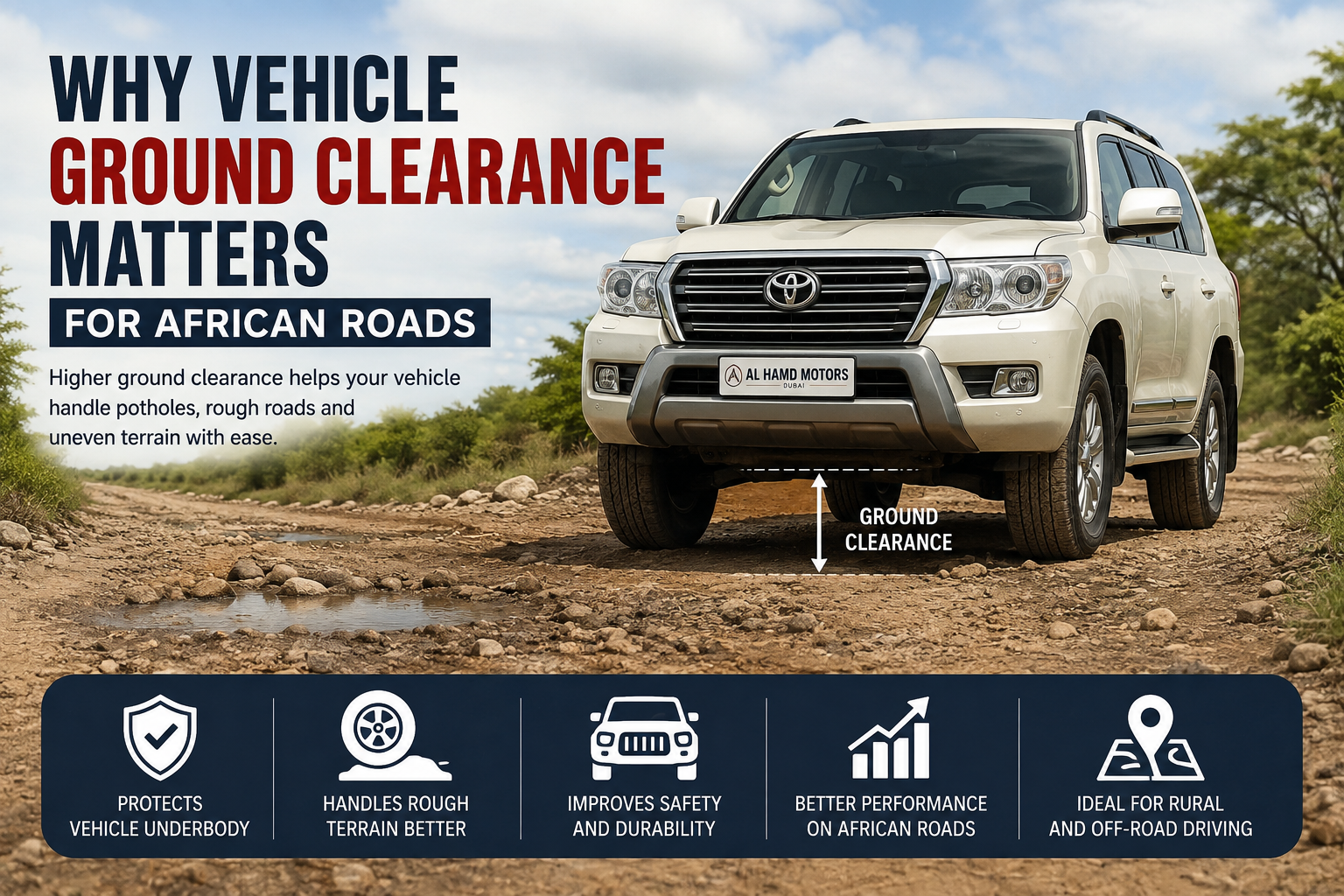
A well-prepared 4WD can turn a weekend camping trip into a comfortable adventure and make long-distance touring across Australia considerably more manageable. However, building a touring vehicle is not simply a matter of adding a lift kit, larger tyres and a roof rack.
The right setup should match the vehicle, its payload, the terrain you intend to drive and the way you actually use it.
For some drivers, a touring 4WD may need to carry camping equipment, recovery gear, water, food, tools and passengers over corrugated gravel roads. For others, the vehicle may regularly tow a trailer or caravan while also travelling through sand, mud, rocky tracks and remote areas.
That is why a successful 4WD touring setup starts with planning.
This guide explains the major components to consider when preparing a 4WD for touring and camping, including suspension, tyres, recovery equipment, storage, electrical systems, protection, air intake, exhaust upgrades and vehicle weight.
What Is a 4WD Touring Setup?
A 4WD touring setup is a collection of vehicle modifications, accessories and equipment designed to make a four-wheel-drive more capable, practical and reliable for extended travel.
A typical touring build can include:
- Suspension upgrades
- All-terrain or mud-terrain tyres
- Underbody protection
- Bull bars and recovery points
- Winches and recovery equipment
- Roof racks or canopies
- Dual-battery or auxiliary power systems
- Fridges and camping equipment
- Water storage
- Air compressors
- Snorkels and upgraded air intake systems
- Exhaust upgrades
- Additional lighting
- Communication equipment
- Increased storage capacity
The important point is that not every 4WD needs every modification.
A vehicle used mainly for highway touring will have different requirements from one regularly driven through remote tracks or heavily loaded with camping equipment.
Start With Your Touring Requirements
Before buying accessories, determine how and where you plan to travel.
Ask yourself:
- How many people will regularly travel in the vehicle?
- Will you tow a trailer or caravan?
- How much camping equipment will you carry?
- Will the vehicle be permanently loaded?
- Will you drive mainly on sealed roads, gravel, sand, mud or rocky tracks?
- How far will you travel from major towns?
- Will you use the vehicle as a daily driver as well?
- Do you need additional ground clearance?
- How much recovery equipment will you carry?
These questions influence almost every other decision.
For example, a vehicle carrying a canopy, drawers, fridge, water tank and recovery equipment can have very different suspension requirements from an otherwise standard 4WD.
Why Suspension Is One of the Most Important Upgrades
Suspension plays a major role in how a touring 4WD handles additional weight and uneven terrain.
A standard suspension system is designed around the manufacturer’s intended vehicle configuration. Once you add accessories and touring equipment, the vehicle’s weight distribution can change significantly.
A suspension upgrade can be considered when additional load, increased ground clearance, improved off-road capability or different handling characteristics are required.
Consider Your Constant and Variable Loads
One of the most important factors when choosing suspension is understanding the difference between constant and variable weight.
Constant load can include equipment that remains fitted to the vehicle, such as:
- Canopies
- Bull bars
- Winches
- Drawers
- Spare-wheel carriers
- Auxiliary batteries
- Permanent storage systems
Variable load includes items such as:
- Camping equipment
- Water
- Food
- Luggage
- Passengers
- Temporary recovery equipment
Your suspension should be selected with the vehicle’s real-world loading conditions in mind.
Installing springs that are too stiff for your normal use can negatively affect ride quality, while an unsuitable setup may not adequately support a heavily loaded touring vehicle.
Should You Lift a 4WD for Touring?
A suspension lift can increase ground clearance and provide additional room for certain vehicle configurations, but a lift should not be treated as an automatic requirement for every touring build.
The ideal suspension height depends on:
- Vehicle model
- Intended terrain
- Tyre size
- Vehicle weight
- Suspension design
- Legal requirements
- Towing requirements
- Desired ride characteristics
A properly engineered suspension setup should maintain appropriate handling and suspension geometry rather than focusing only on achieving maximum lift.
For Australian 4WD owners, modifications should also be considered against applicable state and territory vehicle regulations.
Long Travel Suspension for Serious Off-Road Touring
Long travel suspension is another option for drivers who regularly tackle challenging terrain.
The objective is to allow greater suspension movement while maintaining appropriate control and contact with uneven surfaces.
This can be particularly relevant when a vehicle is used on demanding tracks where wheel articulation and suspension movement become important.
However, long travel suspension is a specialised modification. It should be selected according to the vehicle, intended use and complete suspension system rather than as an isolated component.
Choosing the Right Tyres
Tyres are one of the few components connecting your vehicle directly with the terrain.
For touring, tyre selection should consider the balance between:
- Highway performance
- Gravel-road durability
- Sand performance
- Mud capability
- Wet-weather handling
- Noise
- Load rating
- Puncture resistance
All-Terrain Tyres
All-terrain tyres can provide a useful compromise for drivers who spend time on highways but also regularly travel on gravel roads, tracks and moderate off-road terrain.
Mud-Terrain Tyres
Mud-terrain tyres are designed with more aggressive tread patterns and can be useful for drivers who regularly encounter mud and challenging off-road conditions.
However, aggressive tyres can have trade-offs in areas such as road noise, ride comfort and highway behaviour.
The best tyre is therefore not necessarily the most aggressive tyre available. It is the tyre that matches your actual driving conditions.
Don’t Ignore Wheel and Tyre Load Ratings
A touring vehicle can carry substantially more weight than a standard vehicle.
Before fitting tyres and wheels, check that their specifications are appropriate for your vehicle and intended application.
Load ratings, tyre pressures, wheel specifications and legal requirements all need to be considered as part of the complete setup.
Managing Weight Is Essential
One of the most overlooked parts of a touring build is total vehicle weight.
Every accessory adds weight.
A bull bar may be followed by a winch, recovery points, dual batteries, drawers, a fridge, water, tools, spare parts and camping equipment. Individually, these additions may appear manageable. Together, they can significantly increase the vehicle’s overall mass.
A sensible touring build should therefore begin with a realistic weight assessment.
Make a Touring Weight List
Create a list containing:
- Vehicle kerb weight
- Passengers
- Fuel
- Water
- Camping equipment
- Recovery equipment
- Tools and spare parts
- Food
- Accessories
- Towing equipment, if applicable
Compare the resulting load with the vehicle’s relevant weight ratings.
If you are unsure about your vehicle’s limits, seek advice from a qualified professional before making major modifications.
Recovery Equipment for Remote Touring
Recovery equipment is not something you should buy simply because it looks impressive.
The equipment should match the vehicle and the situations you are realistically likely to encounter.
A touring vehicle may carry:
- Rated recovery points
- Recovery straps
- Shackles appropriate for the application
- Recovery boards
- Tyre deflation and inflation equipment
- Air compressor
- Winch where appropriate
- Gloves
- Basic recovery tools
Knowing how to use recovery equipment is just as important as carrying it.
Drivers travelling into remote areas should understand basic recovery procedures and consider appropriate training before attempting difficult recoveries.
Protecting the Vehicle
Off-road touring can expose the underside of a vehicle to rocks, debris and uneven terrain.
Depending on the vehicle and intended use, protection may include:
- Bash plates
- Underbody guards
- Rock protection
- Bull bars
- Rated recovery points
- Differential protection where appropriate
Protection should be selected according to the terrain rather than simply adding every available accessory.
Storage for Long-Distance Touring
Good storage can make a major difference to a camping trip.
A poorly organised vehicle can become difficult to access, particularly when equipment is packed tightly for a long journey.
Common storage solutions include:
- Drawer systems
- Canopies
- Cargo barriers
- Roof storage
- Tool boxes
- Fridge compartments
- Modular storage containers
Try to keep heavy equipment positioned as low and centrally as practical.
This can help with weight distribution and makes frequently used equipment easier to manage.
Electrical Systems and Power
Extended camping can increase the demand for electrical power.
Depending on your setup, you may need power for:
- Refrigeration
- Lighting
- Mobile devices
- Communication equipment
- Cameras
- Portable appliances
An auxiliary battery system, solar charging system or other power solution may be appropriate depending on your requirements.
Electrical modifications should be installed correctly and protected from heat, moisture and physical damage.
Snorkels and Air Intake Protection
For drivers who regularly travel through dusty environments, deep water crossings or challenging off-road conditions, air intake protection can become an important consideration.
A properly designed snorkel can reposition the engine air intake and may help reduce the amount of dust entering the intake system in certain conditions.
However, a snorkel does not make a vehicle completely waterproof.
Water crossings should always be approached carefully, with the vehicle’s capabilities, depth, speed and conditions assessed before proceeding.
Exhaust Upgrades and Touring Performance
Exhaust upgrades can form part of a broader vehicle performance strategy.
A suitable exhaust system may be considered when a driver wants to improve exhaust flow or complement other engine and intake modifications.
However, exhaust modifications should be selected as part of a complete vehicle strategy.
The goal should be a reliable and balanced vehicle rather than simply installing the largest possible exhaust system.
Suspension, Tyres and Accessories Need to Work Together
One of the biggest mistakes in 4WD modification is treating each upgrade as an independent purchase.
For example, changing suspension can affect ride height and geometry. Increasing tyre diameter can influence clearance and gearing. Adding accessories changes vehicle weight. Increasing weight can change suspension requirements.
This means the following components should be considered together:
Suspension → Wheels → Tyres → Vehicle Weight → Accessories → Alignment → Intended Terrain
A balanced setup is generally more useful than a collection of unrelated modifications.
Touring Setup for Australian Conditions
Australia presents a wide variety of driving environments.
A touring vehicle might encounter:
- Long highway distances
- Corrugated roads
- Gravel tracks
- Sand
- Mud
- Rocky terrain
- Heat
- Dust
- Remote areas
There is no single modification package that is perfect for every environment.
A vehicle designed for desert touring may require a different setup from one primarily used for beach driving or mountain tracks.
This is why your build should start with your destination and driving style rather than a shopping list of accessories.
Common 4WD Touring Setup Mistakes
1. Adding Too Much Weight
More accessories do not automatically mean a better touring vehicle.
Excessive weight can affect suspension performance, braking, handling, fuel consumption and component wear.
2. Choosing Suspension Without Considering the Load
Suspension should be selected according to the actual vehicle configuration.
3. Buying Tyres Based Only on Appearance
Aggressive tread does not automatically mean better touring performance.
4. Ignoring Vehicle Geometry
Major suspension and tyre changes can affect the vehicle’s geometry and handling characteristics.
5. Forgetting Recovery Training
Having recovery equipment without knowing how to use it can create additional risks.
6. Building the Vehicle Before Planning the Trip
A touring vehicle should be designed around real-world use.
A Practical 4WD Touring Build Order
If you are starting from a relatively standard vehicle, consider approaching the build in stages.
Stage 1: Define Your Use
Identify where you will travel, how often and how much equipment you will carry.
Stage 2: Calculate Your Weight
Determine your current vehicle weight and estimate the weight of your permanent and touring loads.
Stage 3: Upgrade Suspension if Required
Choose a suspension package appropriate for your load and intended driving conditions.
Stage 4: Select Appropriate Tyres
Choose tyres based on the balance of road and off-road driving you expect.
Stage 5: Add Protection and Recovery Equipment
Prioritise equipment that improves safety and vehicle protection.
Stage 6: Improve Storage and Power
Organise your equipment and add electrical capacity according to your actual requirements.
Stage 7: Test the Vehicle
Do not wait until your first major trip to discover that your suspension, storage or recovery setup does not work as expected.
Take shorter trips and progressively test the vehicle under realistic loads.
Why Professional 4WD Suspension Advice Matters
Every 4WD is different.
The ideal suspension configuration depends on the vehicle model, accessories, weight, intended terrain and owner’s priorities.
Professional suspension specialists can help assess the vehicle and recommend components that work together as a system rather than treating each modification separately.
At Platinum Suspension, the focus is on developing 4WD suspension and performance solutions suited to real-world Australian driving conditions.
Whether you are building a touring vehicle for weekend adventures, long-distance travel or more demanding off-road use, the objective should always be a balanced setup that provides capability without compromising practicality.
Frequently Asked Questions
What is the most important upgrade for a touring 4WD?
There is no single upgrade that is best for every vehicle. Suspension, tyres, recovery equipment and weight management can all be important, depending on how the vehicle is used.
Do I need a suspension lift for 4WD touring?
Not necessarily. A lift may be useful for certain applications, but the correct setup depends on vehicle weight, terrain, tyres, suspension requirements and intended use.
What tyres are best for 4WD touring?
All-terrain tyres are often a practical option for drivers who combine highway travel with off-road touring, while mud-terrain tyres may suit drivers who regularly encounter challenging mud and off-road conditions.
How much weight can I add to my 4WD?
The answer depends on the vehicle’s specifications and applicable weight ratings. Calculate the combined weight of passengers, fuel, accessories, water, camping equipment and luggage before loading the vehicle.
Is long travel suspension suitable for touring?
Long travel suspension can be useful for certain off-road applications, particularly where additional suspension movement is beneficial. It should be professionally selected and installed according to the vehicle and intended use.
Should I upgrade suspension before adding accessories?
If you are planning substantial permanent accessories, it is sensible to consider the complete vehicle configuration before selecting suspension. This helps ensure the suspension is matched to the final load.
Is a snorkel necessary for touring?
Not every touring vehicle requires a snorkel. It can be useful for certain dusty environments and water-crossing applications, but it does not make a vehicle waterproof and should be considered according to your driving conditions.
What should I carry for remote 4WD touring?
The exact equipment depends on the trip, but common essentials include appropriate recovery equipment, tyre repair and inflation equipment, tools, spare parts, communication equipment, water, food and navigation resources.
Final Thoughts
The best 4WD touring setup is not necessarily the biggest, tallest or most heavily modified vehicle.
It is the vehicle that has been carefully configured around its intended use, realistic payload and driving environment.
Start by understanding your requirements. Calculate your weight. Choose suspension and tyres that match your vehicle. Add recovery and protection equipment based on genuine needs, then organise storage, power and other accessories around the way you travel.
Most importantly, treat your 4WD as a complete system. Suspension, tyres, weight, accessories and vehicle geometry all influence one another.
With the right planning and professional advice, your 4WD can become a more capable, comfortable and dependable platform for exploring Australia’s highways, tracks and remote destinations.
Platinum Suspension can help you take the next step toward a properly considered 4WD suspension and touring setup designed around your vehicle and driving requirements.